Glamping 101: Adding Premium Accommodations to Your Campground
Glamping is one of the fastest-growing segments in outdoor hospitality. Learn how to add premium accommodations to your campground and capture higher revenue per site.
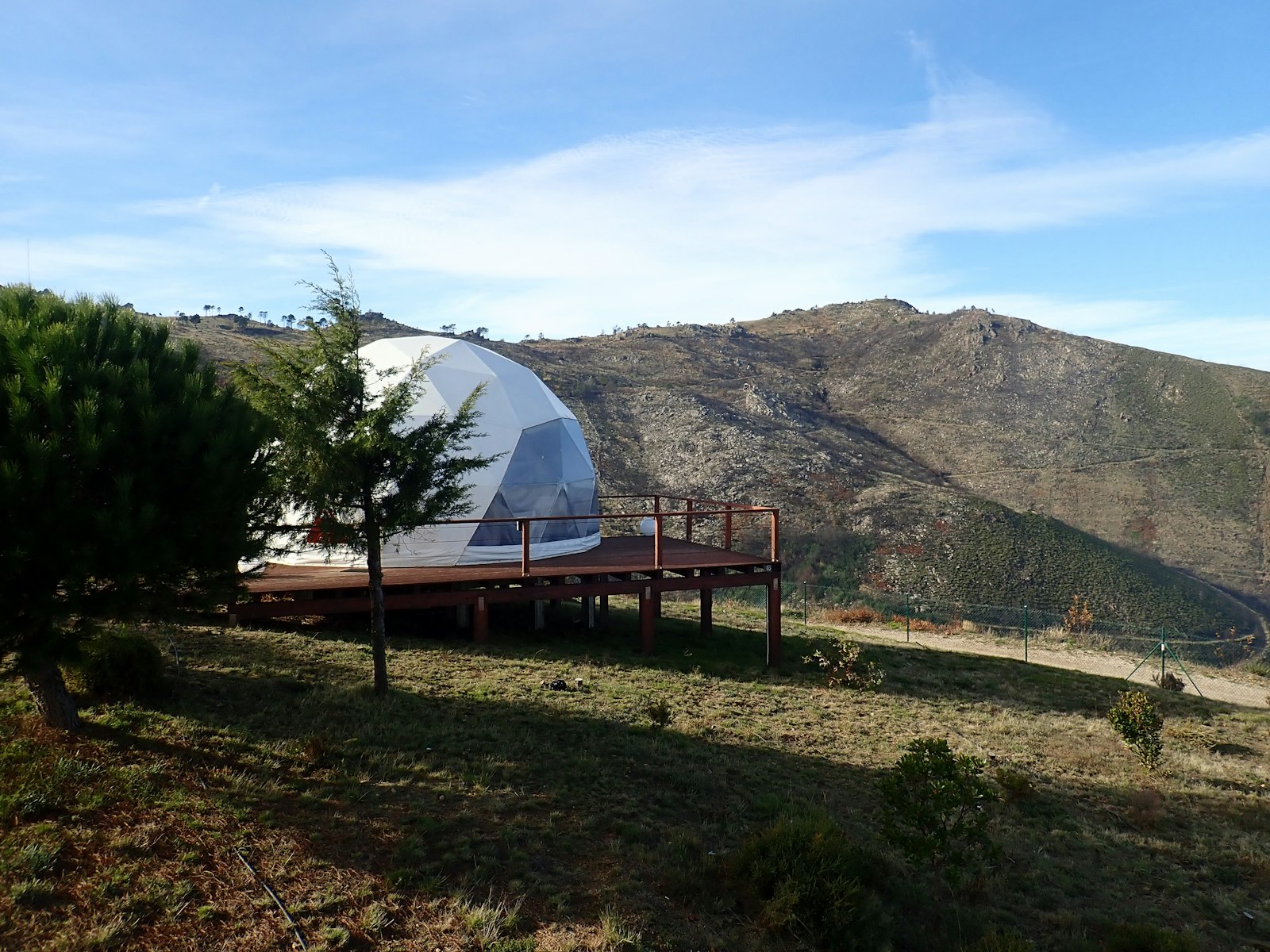
Glamping — glamorous camping — has moved from novelty to mainstream, and it’s reshaping what travelers expect from the outdoors. For campground operators, premium accommodations represent one of the clearest paths to higher revenue per site and a broader guest base. The KOA North American Glamping Report tracks steady growth in travelers who want the nature experience without sacrificing comfort. This guide covers what glamping is, why it works financially, and how to add it to your park.
What counts as glamping
Glamping spans a wide range, from lightly upgraded to genuinely luxurious. Common formats include:
- Safari and bell tents with real beds, rugs, and furnishings
- Geodesic domes, often with skylights for stargazing
- Yurts that work in a surprising range of climates
- Cabins and tiny homes with electricity, heating, and sometimes plumbing
- Treehouses and specialty structures for a true destination draw
What unites them is the promise: the romance of the outdoors with the comfort of a hotel room. The guest brings a suitcase, not a tent.
Why glamping makes financial sense
The economics are compelling. A glamping unit commands a nightly rate several times higher than a standard tent or RV site, while occupying similar land. Three advantages stand out:
- Higher revenue per site. Premium units justify premium pricing, lifting your average nightly rate across the park.
- Weather resistance. Insulated, heated accommodations are far less weather-dependent, which directly supports the off-season occupancy strategies that keep parks busy year-round.
- A new audience. Glamping attracts travelers who would never pitch a tent — couples, families seeking comfort, and first-time campers testing the waters.
Done well, premium accommodations also raise the perceived quality of your whole park, supporting stronger pricing across every site type. It’s a natural extension of the broader revenue strategies every operator should be working through.
Planning your glamping offering
Start small and learn before you scale. A single well-executed unit teaches you more than a rushed row of ten. As you plan, work through:
Location and siting
Give premium units your best views and a sense of privacy. Guests paying glamping rates expect a setting that feels special, not a unit wedged into the corner of an RV loop.
Amenities and comfort
Decide what’s included — real beds and quality linens are non-negotiable, but you’ll also weigh heating and cooling, private bathrooms, kitchenettes, and outdoor living space. Each amenity raises both your cost and the rate you can charge. The investment should be deliberate, not accidental.
Permits and regulations
Permanent and semi-permanent structures often trigger building codes, zoning rules, and inspections that primitive sites don’t. Check requirements early with your local authorities, and use public-land facilities listed on Recreation.gov as a reference point for the standards established sites maintain. Getting this wrong is expensive; getting it right up front is just paperwork.
Operating glamping successfully
Premium accommodations come with premium expectations. Three operational areas deserve special attention:
- Housekeeping. Unlike a bare site, glamping units need hotel-style cleaning and turnover between guests. Build that labor into your pricing and your staff scheduling from day one.
- Booking and pricing. Your reservation system should handle mixed inventory cleanly, pricing a dome differently from a tent pad and showing both accurately in real time.
- Experiences. Glamping guests want more than a place to sleep. Pairing units with curated events and activities — guided hikes, fireside dinners, wellness sessions — is what turns a stay into a story they’ll share.
Pricing your glamping units
Premium accommodations only pay off if you price them with confidence. Resist the urge to anchor your glamping rate to your tent or RV rate — they serve a different guest with a different budget. Instead, look at comparable boutique stays in your region: cabins, bed-and-breakfasts, and unique rentals. Your dome or safari tent competes with those as much as with a campsite. Factor in your real costs, including the housekeeping and turnover labor that primitive sites don’t require, then layer in seasonal and weekend pricing the same way you would for the rest of the park. Done right, a single premium unit can out-earn several standard sites.
Marketing your premium units
Glamping is intensely visual, which makes it a marketing gift. High-quality photography of your units, especially at golden hour, does most of the selling. Feature them prominently on your website and across the channels in our campground marketing guide, and lean on guest photos and reviews to build trust with travelers who are new to the category.
Is glamping right for your park?
Glamping isn’t a fit for every campground, but for many it’s the single highest-return addition available — higher revenue per site, a longer operating season, and access to an entirely new audience. Start with one or two units, measure the results, and expand based on real demand rather than hope.
See how Camprs helps you book and manage premium accommodations alongside the rest of your park. Book a demo to map it to your sites, or contact us to talk through the numbers.