Beating the Off-Season: Boosting Shoulder-Season Occupancy
Empty sites in the off-season are lost revenue you can recover. Here are proven strategies to boost shoulder-season occupancy and keep your campground busy year-round.
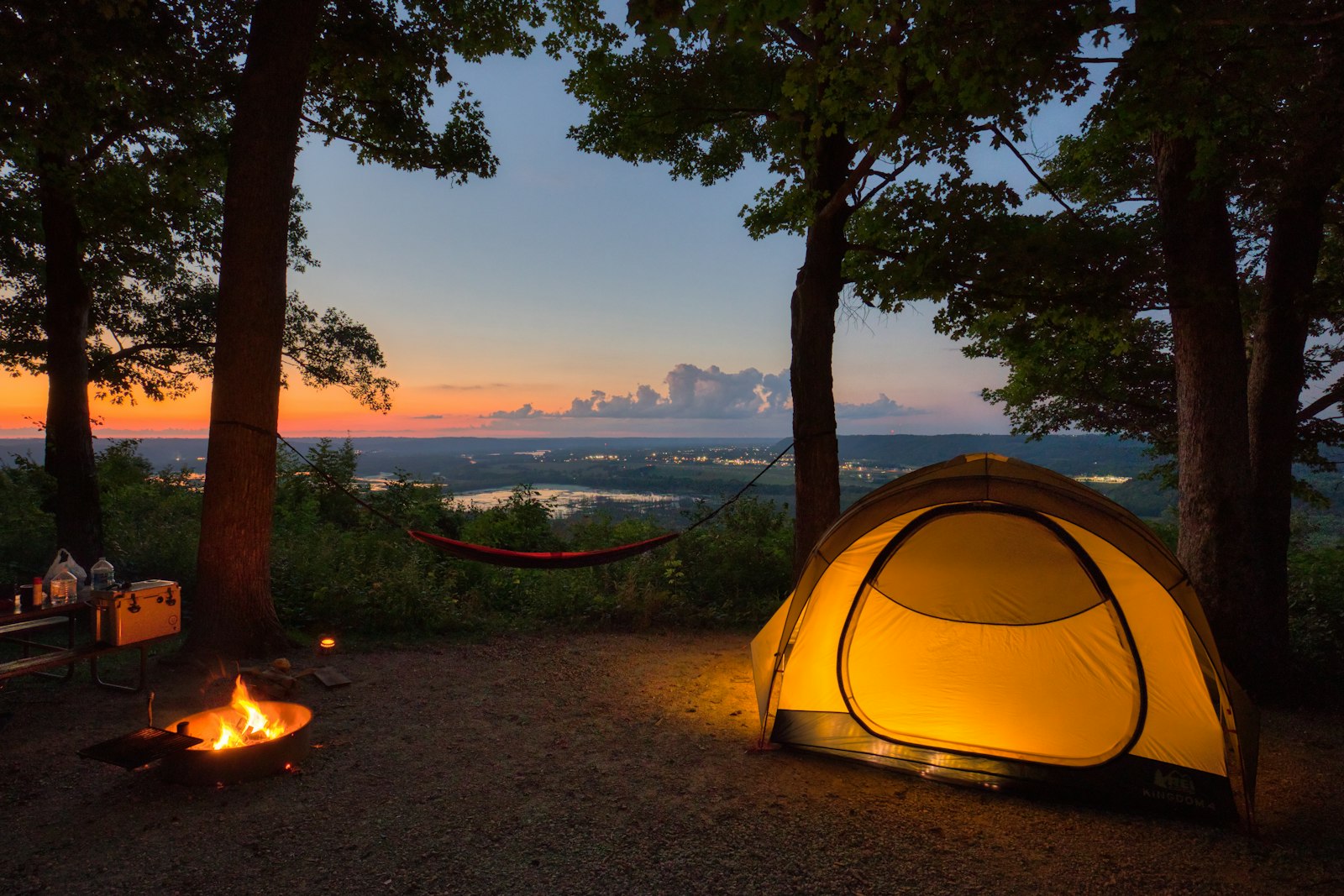
For most campgrounds, summer takes care of itself. The real test of a well-run park is what happens in the shoulder seasons — those spring and autumn weeks when demand softens and sites sit empty. Those quiet periods are also the biggest untapped opportunity in outdoor hospitality. With overall camping participation at record levels according to the KOA North American Camping & Outdoor Hospitality Report, more travelers than ever are willing to camp outside peak summer — if you give them a reason to come. Here’s how to fill more of those sites.
Understand why the off-season is empty
Before fixing the problem, name it. Off-season vacancy usually comes down to three things: travelers don’t think of camping in cooler months, they assume your park is closed, or there’s simply nothing compelling drawing them out. Each of those is a marketing and programming challenge you can solve — not a fact of nature. The weather rarely changes the math as much as operators assume.
Use pricing to shift demand
Dynamic pricing is your most direct lever. Lower midweek and shoulder-season rates attract price-sensitive campers who would never pay peak prices, while still contributing real revenue against sites that would otherwise earn nothing. The goal isn’t to discount for its own sake — it’s to match price to demand so every site works as hard as possible. We cover the full pricing playbook in maximizing campground revenue, but the off-season principle is simple: a site booked at a discount beats an empty site every time.
Consider structured off-peak offers:
- Midweek packages that bundle two or three nights at a reduced nightly rate
- Extended-stay discounts for snowbirds and remote workers
- Early-bird and last-minute deals to smooth out the booking curve
- Loyalty rates that reward returning guests for visiting off-peak
Give people a reason to come
Price gets attention, but experiences close the deal. Off-season events turn a quiet weekend into a destination. Think harvest festivals, stargazing nights, guided hikes when the trails are cool and uncrowded, holiday-themed weekends, or photography meetups timed to fall color. Public-land calendars like those at the National Park Service show how seasonal programming draws visitors year-round — and your park can do the same at a smaller scale.
An events and activities system makes this manageable: you can schedule programming, take bookings for it, and promote it alongside your sites. The richer your off-season calendar, the easier every other marketing message becomes.
Target audiences who travel off-peak
Some travelers actively prefer the shoulder seasons. Retirees and snowbirds have flexible schedules and chase mild weather. Remote workers will stay for weeks if you offer reliable Wi-Fi and a quiet setting. Couples without school-age children value the lower crowds and lower prices. Tailor your messaging and amenities to these groups and the off-season starts to feel a lot less empty.
Make comfort the differentiator
Cooler weather scares off campers who picture a cold, damp night in a thin tent. Remove that objection and you remove the main barrier to off-season bookings. Heated cabins, full-hookup sites, fire pits, hot showers, and a warm common space turn a chilly weekend into a cozy one. Promote those comforts explicitly in your off-season marketing — guests rarely book what they don’t know you offer. The parks that own the shoulder seasons are usually the ones that made comfort impossible to ignore.
Market the quiet months hardest
The instinct to pull back on marketing when bookings slow is exactly backwards. Off-peak is when your marketing has to work hardest. Lean on the email list and channels we describe in our campground marketing guide: announce off-season openings, promote your event calendar, and send targeted midweek offers to past guests. A well-timed email to people who already loved your park is the cheapest occupancy you’ll ever buy.
Extend your operating window
Sometimes the biggest gains come from simply staying open longer. If you currently close after Labor Day, a few weather-protected or upgraded sites — heated cabins, glamping units, full-hookup pads — can justify extending the season by weeks. Premium accommodations are far less weather-dependent, which is one reason many operators add them; we explore that path in adding glamping to your campground.
Track and refine
Treat each off-season as an experiment. Measure which promotions, events, and audiences actually moved occupancy, then double down on what worked and drop what didn’t. This data-driven loop, covered in using data analytics to optimize operations, is what turns a one-off good autumn into a repeatable system.
The bottom line
Off-season vacancy isn’t inevitable — it’s a problem you can manage with smart pricing, compelling events, focused marketing, and the right mix of accommodations. Recover even a portion of those empty nights and you add meaningful revenue without adding a single site.
See how Camprs helps you manage pricing, events, and bookings from one platform. Book a demo to plan your next shoulder season, or reach out to talk strategy with our team.